01
The challenge
Textbooks can be a difficult place for kinesthetic learners. The content may be there, but the format often asks children to sit still, read heavily, and imagine concepts without much support from interaction or feedback.
Learning experience
Product design · AR · Unity development
Bringing textbooks to life
Turning static textbook diagrams into something children can see, touch, and explore.
LearnLlama is an AR study companion designed to make textbook learning more accessible for children who struggle with text-heavy material. By scanning illustrations in a book, students can trigger interactive 3D models, explore them through touch, and read or listen to supporting explanations inside the same experience.
01
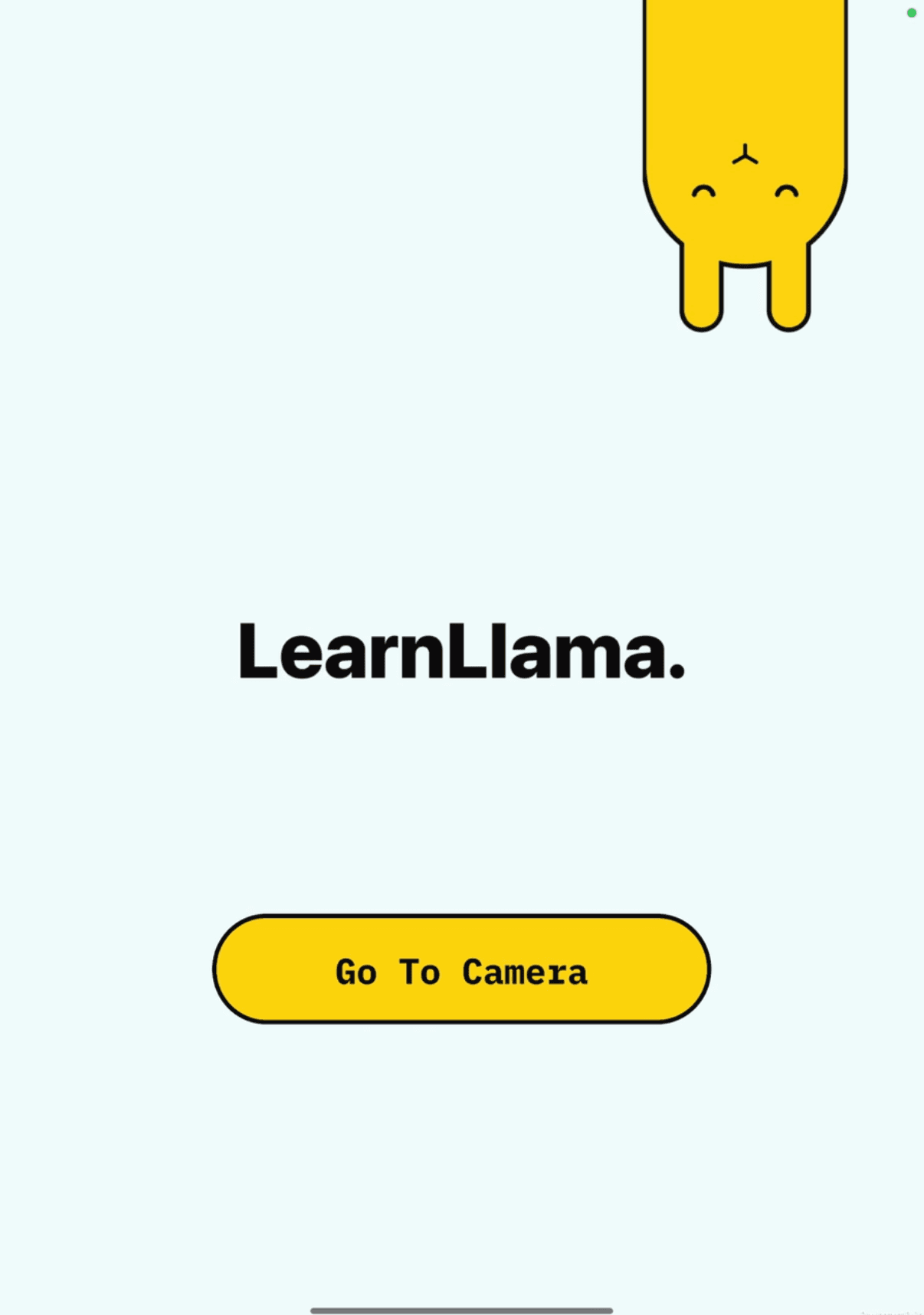
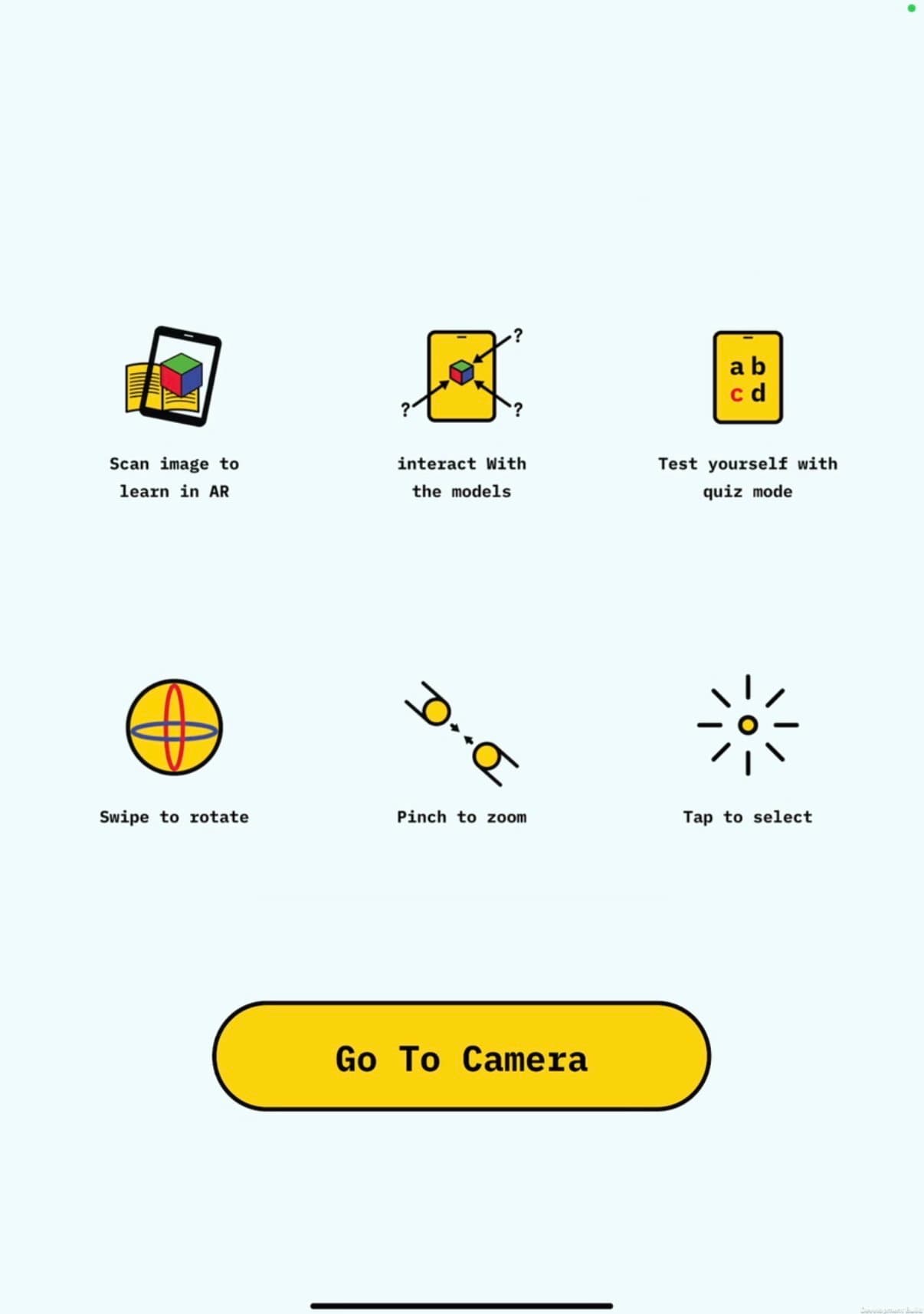
Simple screens designed for independent learning
The interface uses clear language, simple controls, and strong visual hierarchy to reduce cognitive load. Each screen focuses on one action at a time, helping children explore independently without the experience feeling overly instructional.
02
A custom visual system used throughout the app
I created a consistent library of illustrated icons specifically for LearnLlama. Familiar shapes and repeated visual cues help children recognise actions quickly, while giving the app its own playful identity.
03
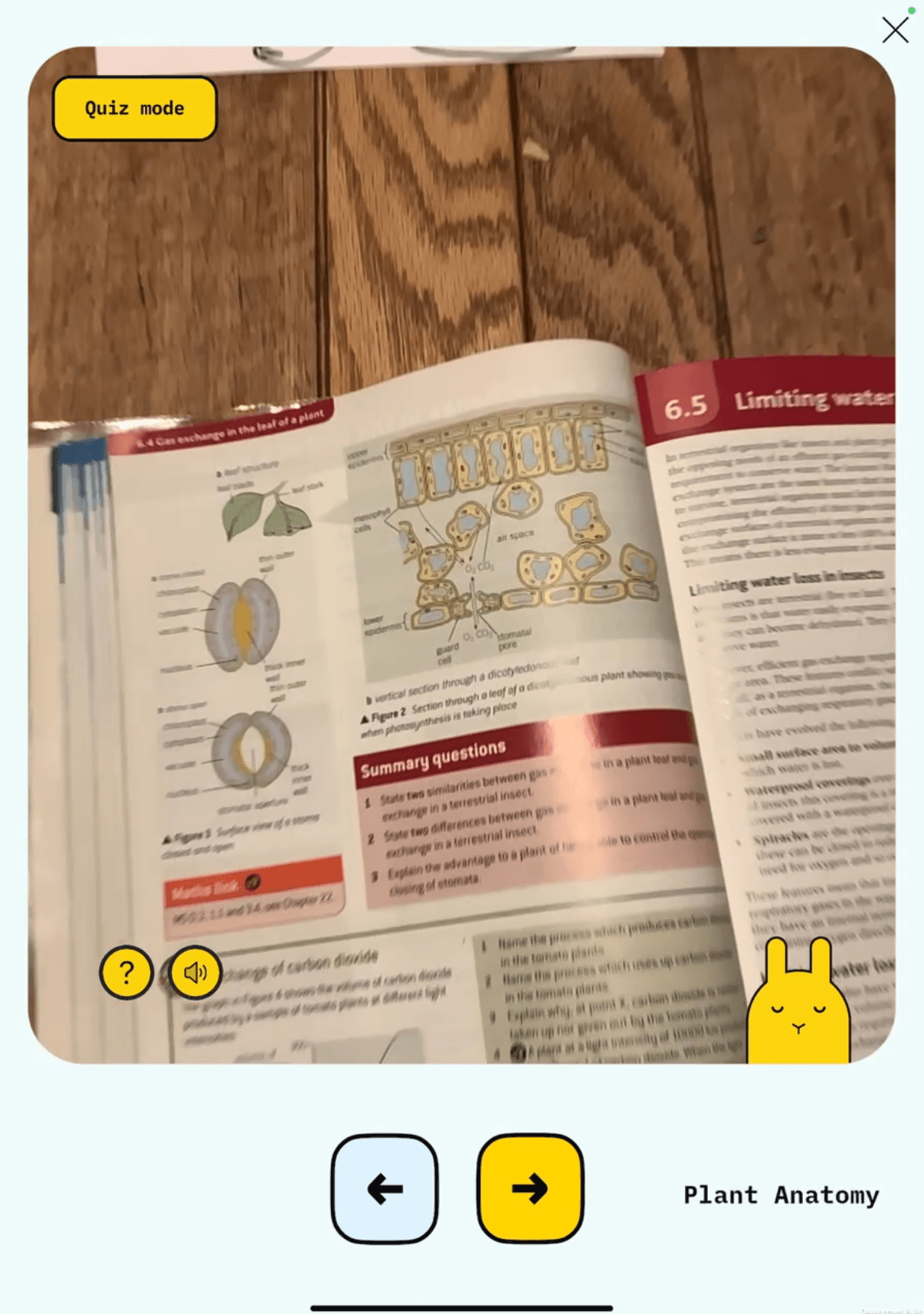
Textbook illustrations trigger AR content
Children scan an illustration in the textbook to trigger a 3D model using AR image tracking. That connection between the printed page and the digital layer makes the learning experience feel immediate and much easier to grasp.
04
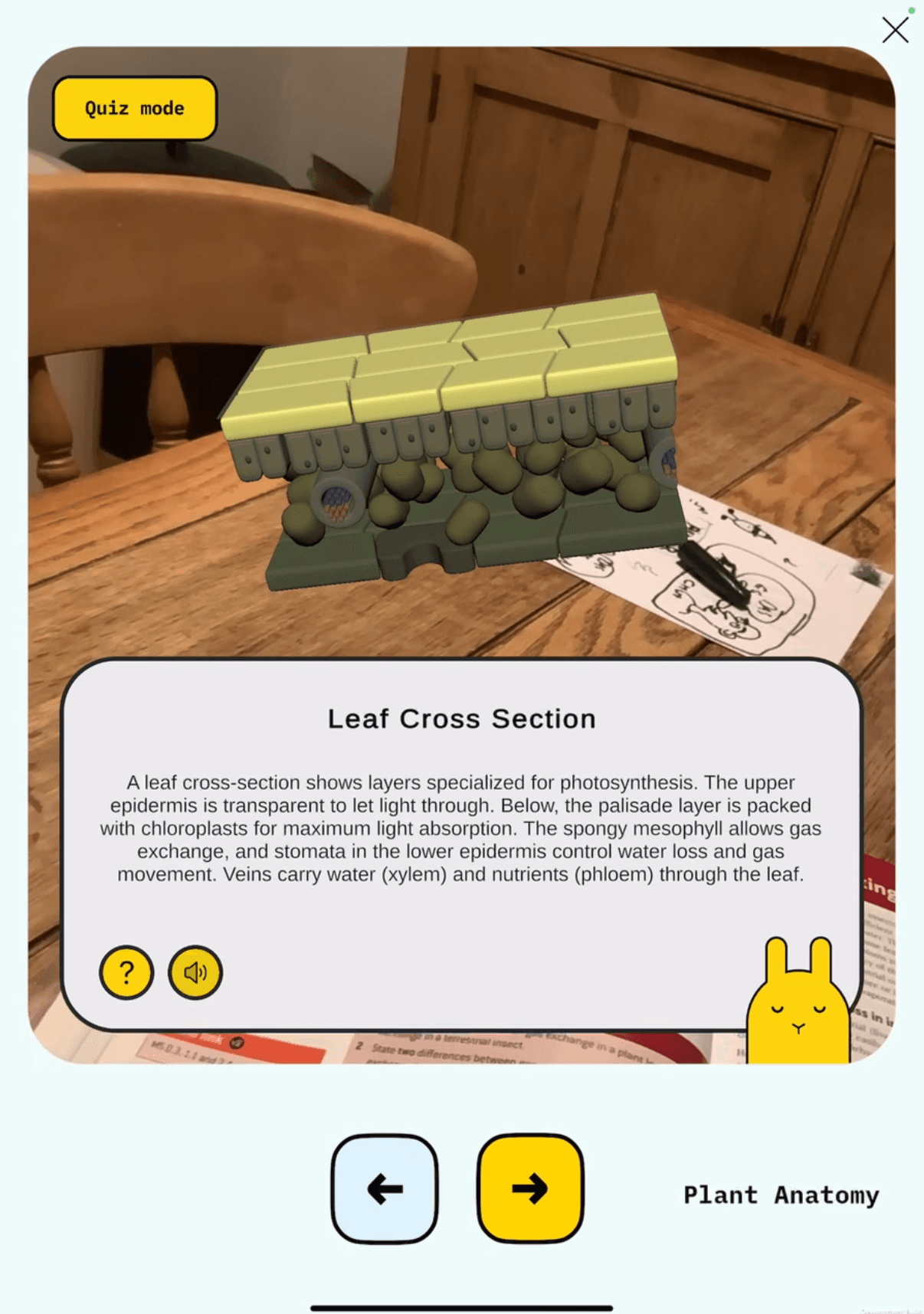
Touch interaction makes the model explorable
Once the model appears, students can interact with it directly through touch. Different parts of the model can be selected, making the experience more active and helping learners build understanding through exploration rather than passive reading.
05
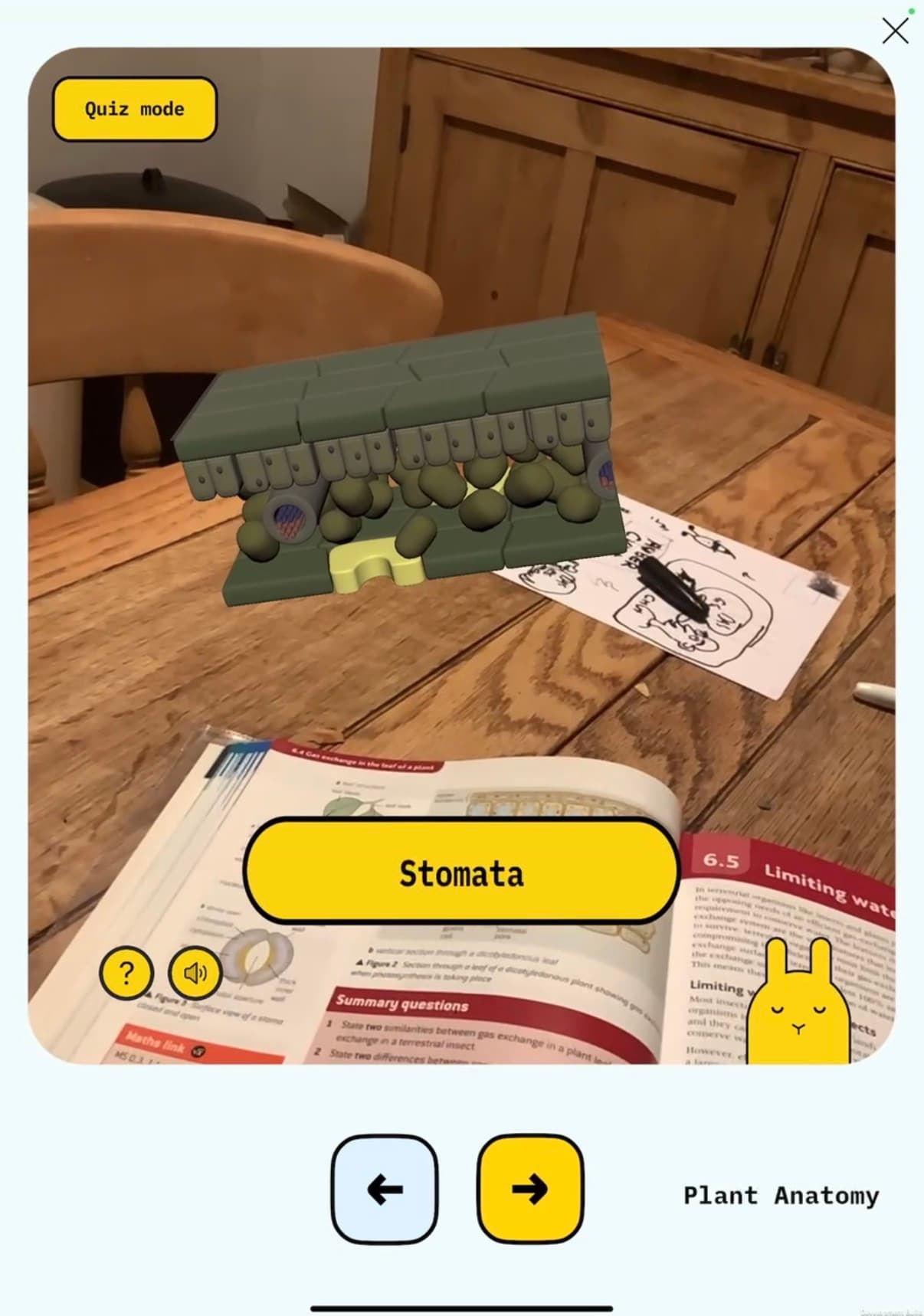
More detail with optional audio support
Each part of the model can reveal more explanation, with the option to read the information or listen to it through audio. This gives children different ways into the same topic and helps support a wider range of learning styles.
Process
01
Textbooks can be a difficult place for kinesthetic learners. The content may be there, but the format often asks children to sit still, read heavily, and imagine concepts without much support from interaction or feedback.
02
During a four-week design sprint, I designed and developed LearnLlama as an AR study companion that could sit alongside a physical textbook. The aim was to create a more intuitive way for children to move between reading, seeing, and interacting with the material.
03
The product combined image tracking, 3D content, touch interaction, and short supporting explanations so that textbook diagrams could become something students could actively explore. That made the learning experience feel less abstract and more responsive to the learner.
04
The final outcome was a playful AR study companion that made textbook content easier to access through interaction. The project went on to win the Best AR Project award at Goldsmiths.
Outcome
A working AR study companion completed in four weeks and awarded Best AR Project at Goldsmiths.